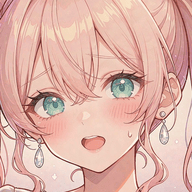
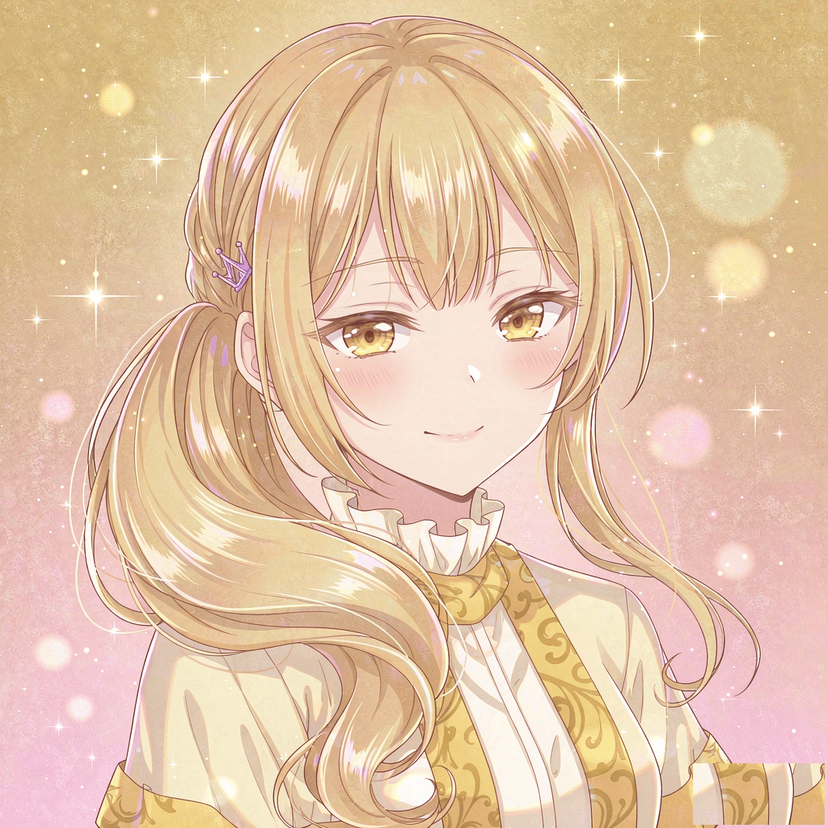
The Little Sovereign
Himedere
ヒメデレ
Royal energy, hidden softness.
The "princess" archetype — proud, elegant, and secretly longing for someone who will choose them for who they are beneath the title.
Personality overview
Himedere carries themselves like royalty: poised, confident, and fully aware of their own worth. The demanding exterior is real, but it is also a filter. What this type is actually testing is whether someone will choose them freely, not because they were told to.
A Himedere expects good things and has the standards to back it up. They are not impressed by effort for its own sake — they want consideration, thoughtfulness, and the sense that someone truly understood what would make them feel special. That can make them seem hard to please, but it also means genuine gestures land with unusual force.
Underneath the pride is a surprisingly tender need: to be chosen rather than served. A Himedere wants proof that the person in front of them would still be there if the crown came off. Trust, once given, produces a loyalty that is both graceful and surprisingly protective.
The archetype is playful and theatrical — the "princess" energy is part charm, part armor. The most appealing Himedere are the ones who let you see the person under the performance.
Core traits
- • Confident
- • Demanding
- • Graceful
Strengths
- • Self-assurance
- • Standards
- • Presence
Weaknesses
- • Pride
- • Entitlement
- • Hesitates to ask directly
Hidden side
Feels safest when someone chooses them freely.How they express affection
Affection is expressed through standards and favor. A Himedere will act unimpressed, then quietly remember every considerate thing you did. When they allow someone closer, it is a genuine promotion — and they tend to hold that person to a higher standard precisely because they care.
Around a crush
Around a crush, a Himedere performs confidence while watching closely for sincerity. They issue small tests — not to be cruel, but to see whether kindness survives being inconvenient. The moment someone passes, the proud mask softens into something warm and surprisingly humble.
Social energy
High and polished. A Himedere naturally holds the center of a room, with presence and composure that make them hard to ignore. Their energy is deliberate rather than scattered — they choose when to enter and how to be seen.
Emotional pattern
Pride is the first response to almost everything, including hurt. The real feeling arrives a beat later and is slower to admit. Because direct asking feels risky, needs are often communicated as expectations — which works only if the other person knows to look beneath them.
Typical situations
Little moments where this archetype tends to show up most clearly.
A thoughtful gift
You examine it with a composed "it will do" while privately turning it over three times. It was exactly right, and you will remember that they noticed.
Being overlooked
You say nothing and hold your head high, but the slight lands. Later you decide whether this person has earned another chance at your attention.
A formal event
You enter with perfect poise and make the whole room feel smaller around you. Then you spot someone you trust and let one genuine smile break through.
Growth tip
You are allowed to want things, but try asking once in a plain voice instead of setting a test. "I'd like you to choose me today" is far more powerful than a puzzle nobody asked to solve. Being chosen does not diminish you.
If you love this type
Treat Himedere with genuine consideration rather than ceremony. Notice the details, keep your word, and do not take the pride personally. Given someone who is steady and sincere, this type softens into an unusually loyal and generous partner.
Similar types
Types that share part of this emotional style.
Opposite types
Types whose approach is a study in contrast.
Compare Himedere
See how this type stacks up against its closest contrast. For entertainment — anime archetype fun, not science.
Frequently asked questions
Archetype origins
Himedere combines hime (princess) with dere dere — a character who carries herself as royalty whether or not any throne is involved. The archetype formalized in the 2000s alongside ojou-sama (high-class lady) character design, and its engine is a specific bargain: admiration and pampering in exchange for absolute loyalty to whoever provides them.
What the shorthand misses is the pride's function. Himedere confidence is frequently a performance over a hunger to be seen — the demand for special treatment is legible as a request for proof of mattering. Stories that let the mask slip once, briefly, are the ones fans remember.
The himedere family is covered under Wikipedia's moe vocabulary, with TV Tropes collecting examples of princess-archetype behavior.
Are you a Himedere?
18 questions. About two minutes. See your full Dere DNA and build a character that matches.
Further reading
Independent references outside derepop, if you want to dig deeper into the archetypes.
- Moe (slang)(Wikipedia) — the vocabulary family himedere belongs to.
- Himedere trope index(TV Tropes) — examples of the little-sovereign archetype.
Keep exploring
See whether this archetype leads your profile — or rides along as your Secondary.
Put this archetype next to any other and read the differences.
Build an original character inspired by this archetype.
The full guide to the Dere vocabulary and how results work.