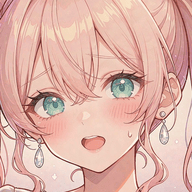
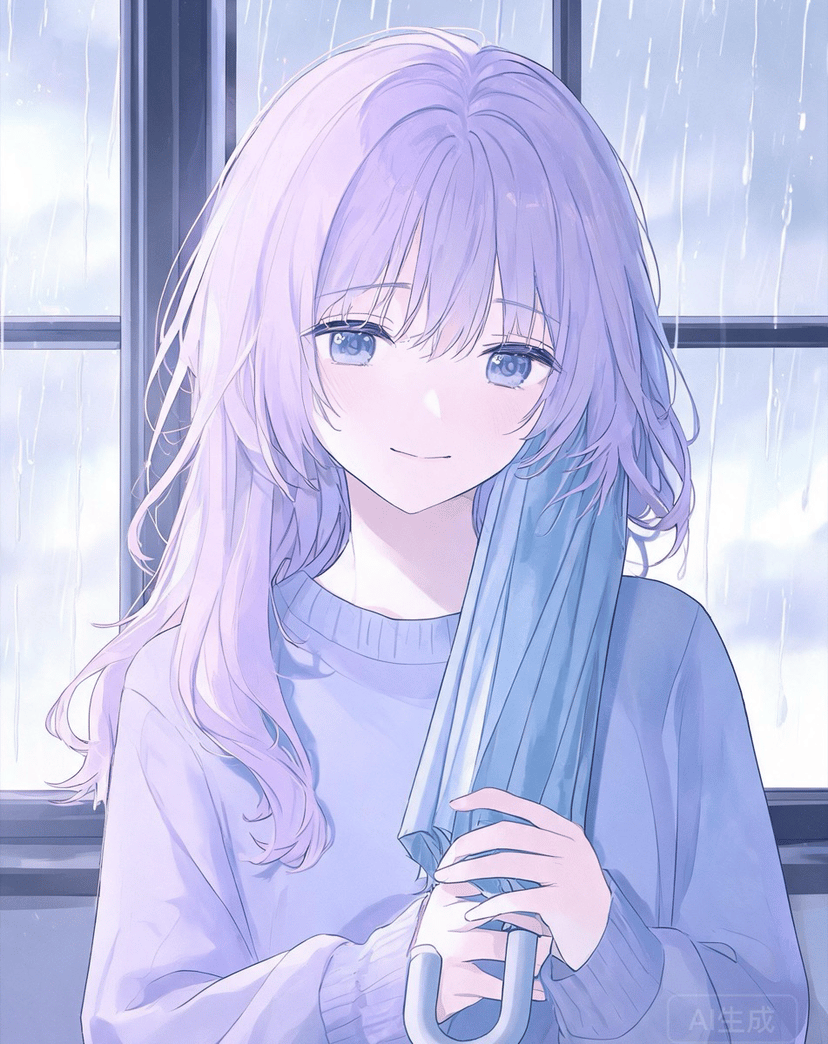
The Gentle Rain
Shundere
シュンデレ
Rainy outside, tender inside.
The melancholic archetype — a gentle sadness over everything, and a rare, deep warmth for the people who stay anyway.
Personality overview
Shundere — from "shun" as in gloomy or dejected — is the melancholic archetype. This type feels life through a soft grey filter: not dramatic despair, just a persistent drizzle of sadness that makes every kindness land heavier and every connection mean more.
What the rainy surface hides is unusual depth. A Shundere notices what others miss — the friend who went quiet, the song that meant something, the season changing. Their sensitivity is not weakness; it is a wide emotional band that picks up signals other people step over.
The risk is self-fulfilling withdrawal. Expecting to be a burden, a Shundere pulls back, which reads as rejection and pushes people away. The counterweight is startlingly simple: one sincere compliment can brighten their entire week. This is the type where small warmth has the biggest return.
Core traits
- • Melancholic
- • Tender
- • Self-aware
Strengths
- • Deep empathy
- • Honesty about feelings
- • Gentleness
Weaknesses
- • Withdraws when hurting
- • Assumes the worst
- • Hard to cheer up
Hidden side
Brightens dramatically with one sincere compliment.How they express affection
Affection is quiet and accumulative: the playlist shared at midnight, the two-word text that took forty minutes, the presence that stays through a bad week. A Shundere does not perform love — they entrust it, in pieces, to people who handle it gently.
Around a crush
Around a crush, hope and self-doubt alternate like weather. They write the long message, delete it, send something small, then analyze the reply for hours. The strongest signal they can give is continued presence — a Shundere does not stay near people they do not care about.
Social energy
Low and easily drained. Crowds exhaust them, noise overloads them, and solitude restores them. But one-on-one, with the right person, a Shundere opens into surprising warmth and unexpected humor.
Emotional pattern
Sadness is the resting state, but it is not the whole story. Moods dip low and rise genuinely — delight is possible, just rarer and therefore precious. The pattern to watch is rumination: the same sad thought replaying until it wears a groove.
Typical situations
Little moments where this archetype tends to show up most clearly.
A rainy afternoon
The weather matches your mood perfectly, and for once that feels like company rather than a weight. Someone texts to check on you. You reread it four times.
An old song
A song from two years ago starts playing and the whole memory returns at once. You let it play instead of skipping — a small act of courage nobody sees.
A missed call
You see the call come in, panic, and let it ring out. Then you type the apology, delete it, type a shorter one, and send it — knowing they will call back anyway.
Growth tip
Send the message. Say the compliment out loud. Every time you assume "they are better off without hearing from me", check whether that is a feeling or a habit. The people who matter would rather have the real, rainy you than a version that vanished.
If you love this type
Steady, low-pressure presence is the whole game. Do not try to fix the rain — sit in it with them, and let the small warmth accumulate. If you are Shundere, accept that being loved does not require being cheerful first.
Similar types
Types that share part of this emotional style.
Opposite types
Types whose approach is a study in contrast.
Compare Shundere
See how this type stacks up against its closest contrast. For entertainment — anime archetype fun, not science.
Frequently asked questions
Archetype origins
Shundere takes its name from "shun" — the Japanese onomatopoeia for gloom, dejection, the visual of a character deflating with a little rain cloud overhead. Fused with dere dere (lovestruck), it names the melancholic archetype: a character wrapped in gentle sadness whose warmth, once offered, is unusually deep.
The archetype is a staple of slice-of-life and healing-type anime, where the shundere character is less a dramatic depressive than a sensitive radar — the one who notices the ending of a summer, the friend who went quiet, the line in the song. Fandom essays about the type tend to land on the same observation: melancholy here is not weakness but range.
Shundere belongs to the fan-built moe vocabulary documented by Wikipedia, alongside dandere, kuudere and the rest of the dere spectrum.
Are you a Shundere?
18 questions. About two minutes. See your full Dere DNA and build a character that matches.
Further reading
Independent references outside derepop, if you want to dig deeper into the archetypes.
- Moe (slang)(Wikipedia) — the vocabulary family shundere belongs to.
Keep exploring
See whether this archetype leads your profile — or rides along as your Secondary.
Put this archetype next to any other and read the differences.
Build an original character inspired by this archetype.
The full guide to the Dere vocabulary and how results work.