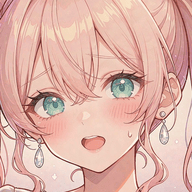

The Hidden Softie
Tsundere
ツンデレ
Cold outside, warm inside.
The classic "cold outside, warm inside" archetype — the sharp-tongued childhood friend who is secretly the most devoted person in the room.
Personality overview
A Tsundere cares first and admits it later. The sharp comment and the turned-away face are not the absence of feeling — they are the wrapper around a feeling that arrives too fast to handle openly. Give it a moment and the real behavior shows up: the message answered within seconds, the small favor done before you asked, the memory of something you mentioned once.
What makes this type so recognizable is the gap between the exterior and the interior. The exterior says "I don't care"; the interior has been composing a careful reply since you left the room. That gap is not dishonesty so much as self-protection — vulnerability feels expensive, so warmth is smuggled in through the back door of irritation and practical help.
In a group, a Tsundere can look prickly or aloof, which means people often misjudge how much they are actually paying attention. They notice who was quiet, who skipped lunch, whose joke landed badly. They will not announce it. They will simply be the one who quietly fixes it.
Core traits
- • Guarded
- • Loyal
- • Sharp-tongued
Strengths
- • Loyalty
- • Observation
- • Follow-through
Weaknesses
- • Slow to trust
- • Stubborn
- • Fear of vulnerability
Hidden side
Remembers every small detail and quietly acts on it.How they express affection
Affection arrives disguised as annoyance. A Tsundere will criticize the way you took your coffee and then have your favorite drink waiting tomorrow. The "whatever" comes with a darker blush than the insult it is covering. Over time, the disguise gets thinner: the teasing stays, but the care stops pretending to be accidental.
Around a crush
Around a crush, a Tsundere runs hot and cold in a rhythm that confuses everyone except themselves. They will deny the compliment, then replay it all evening. They pick a fight over something trivial because a sincere conversation feels far more exposing. The tell is consistency: if they keep showing up, keep remembering details, and keep getting flustered around you, the cold front is doing its job.
Social energy
Moderate, and highly selective. A Tsundere does not perform warmth for a crowd, but they are far from withdrawn. Their energy is spent on a small circle, and within that circle they are unexpectedly lively — argumentative, funny, and fiercely on your side.
Emotional pattern
Feelings spike quickly and get suppressed just as fast. The visible reaction is usually the opposite of the private one, which is why a Tsundere can seem calm at the exact moment they are most affected. The delay between feeling and expression is the signature.
Typical situations
Little moments where this archetype tends to show up most clearly.
Complimented in front of friends
You freeze for half a second, snap "don't say stuff like that so loudly", and change the subject. Then, on the walk home, you replay the compliment word for word and secretly hope they meant it.
A friend is sick
You announce that they "obviously brought it on themselves", then show up with medicine, soup, and notes from class — and leave before they can thank you.
A message goes unanswered
You tell yourself it is no big deal and check the conversation eleven times in an hour. When the reply finally comes, you wait three minutes before answering so it does not look like you were waiting.
Growth tip
You do not have to broadcast every feeling, but try letting one small honest sentence escape before the reflex to deny kicks in. "I actually wanted you to stay" does not make you soft — it makes you legible to the person already trying to read you.
If you love this type
If you are dating a Tsundere, do not demand a confession on schedule. Read the actions, give the teasing room to be affection, and respond with steady, low-drama consistency. The wall comes down fastest around people who do not try to kick it down.
Similar types
Types that share part of this emotional style.
Compare Tsundere
See how this type stacks up against its closest contrast. For entertainment — anime archetype fun, not science.
Frequently asked questions
Archetype origins
The word tsundere combines tsun tsun (aloof, turning away) with dere dere (lovestruck), and it predates most of the fandom vocabulary around it. The pattern traces back to early-2000s heroine design, where a sharp-tongued exterior became the standard way to dramatize a slow emotional thaw — the audience gets both the comedy of denial and the payoff of sincerity in one character.
Over time the archetype split into flavors fans still argue about: the "tsun-first" type who softens over a whole series, and the "dere-first" type who is sweet until embarrassed and snaps back into thorn mode. derepop's profile draws on both, because real people flip between the two depending on who is asking.
For a deeper history, the Wikipedia article on Tsundere documents the term's evolution, and TV Tropes catalogs its use across hundreds of series.
Are you a Tsundere?
18 questions. About two minutes. See your full Dere DNA and build a character that matches.
Further reading
Independent references outside derepop, if you want to dig deeper into the archetypes.
- Tsundere(Wikipedia) — the documented history of the archetype and its naming.
- Tsundere trope index(TV Tropes) — examples across anime, manga and games.
Keep exploring
See whether this archetype leads your profile — or rides along as your Secondary.
Put this archetype next to any other and read the differences.
Build an original character inspired by this archetype.
The full guide to the Dere vocabulary and how results work.