The Yes-Heart
Undere
ウンデレ
Agrees warmly, follows along.
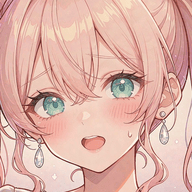
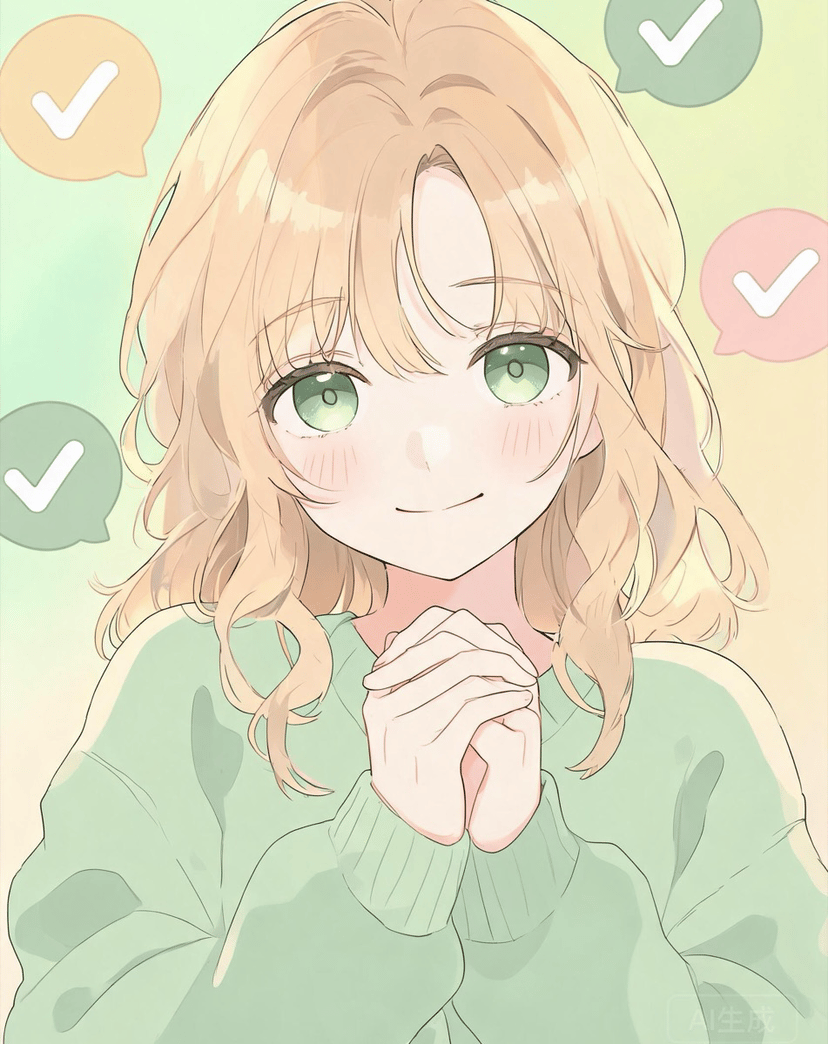
The agreeable archetype — always nodding along, endlessly accepting, and quietly hoping someone will ask what they actually think.
Personality overview
Undere takes its name from "un, un" — the soft Japanese murmur of agreement. This is the archetype of the endlessly agreeable partner: they nod along, adapt to the plan, and make the people around them feel accepted exactly as they are.
The agreeableness is often mistaken for emptiness, which misses the point. An Undere is not blank — they are accommodating by nature and treat harmony as a form of care. Being asked "where do you want to eat?" genuinely stresses them less than watching someone else compromise.
The shadow side appears over time. Because agreement is the default, an Undere can slowly lose track of their own preferences, and partners may stop asking for them. The healthiest Undere relationships are the ones where someone keeps gently asking, "yes, but what do YOU want?" — and waits for the real answer.
Core traits
- • Agreeable
- • Supportive
- • Easygoing
Strengths
- • Acceptance
- • Loyalty
- • Zero drama
Weaknesses
- • Avoids conflict
- • Loses own preferences
- • Hard to read
Hidden side
Has opinions that surface only with people they deeply trust.How they express affection
Affection is expressed as acceptance. An Undere will learn your routines, match your pace, and fold your preferences into theirs until the difference disappears. It is a quiet, constant style of love — less "look at me" and more "I am with you".
Around a crush
Around a crush, the nodding intensifies to a comical degree. They agree with opinions they have never held, show up to things they would never attend, and memorize the crush's taste in everything. The giveaway is that their own preferences only resurface when the crush is genuinely curious about them.
Social energy
Low-to-moderate and frictionless. An Undere blends into whatever group they are in, energized by harmony rather than attention. They rarely steer, but they are often the glue nobody notices until they are absent.
Emotional pattern
Feelings are felt fully but expressed mildly. Because keeping the peace comes first, frustration tends to be swallowed rather than raised — until it accumulates into an uncharacteristic withdrawal that surprises everyone.
Typical situations
Little moments where this archetype tends to show up most clearly.
Choosing a restaurant
"Anywhere is fine!" — and you mean it, mostly. Then you realize on the walk over that you actually wanted ramen, and decide that their happiness counts as your preference.
A group decision
The vote splits and tension rises. You say "I'm good with whatever most people want" and the room relaxes. You have no idea how much you just steered it.
A quiet favor
They mention being cold; you hand over your jacket before you consciously decide to. Going along is so automatic it has become its own language.
Growth tip
Practice one small honest disagreement a week. "Actually, I would rather stay in" will not break the relationship — it builds a version of it where you also exist. Your yes is worth more when your no is possible.
If you love this type
If you love an Undere, ask their opinion and wait through the pause. Do not mistake agreement for indifference — the acceptance is real devotion. If you are Undere, your comfort matters too; the right person wants to meet the self behind the nods.
Similar types
Types that share part of this emotional style.
Opposite types
Types whose approach is a study in contrast.
Compare Undere
See how this type stacks up against its closest contrast. For entertainment — anime archetype fun, not science.
Frequently asked questions
Archetype origins
Undere comes from "un, un" — the soft Japanese murmur of agreement — fused with dere dere (lovestruck). The archetype names the character whose affection is expressed as total accommodation: they agree with their beloved on everything, adopt their opinions, and build love out of acceptance. In anime, the undere is often the gentle childhood friend whose devotion is invisible precisely because it never contradicts anyone.
Fandom discussions of the type tend to circle the same ambivalence: is endless agreement devotion or self-erasure? That question is why the archetype has aged well. Modern readings treat the undere not as a doormat but as a harmony-seeker whose health depends on being asked for their own answer — which is exactly how derepop frames the profile.
The term sits in the moe vocabulary family documented by Wikipedia, alongside the other dere archetypes.
Are you a Undere?
18 questions. About two minutes. See your full Dere DNA and build a character that matches.
Further reading
Independent references outside derepop, if you want to dig deeper into the archetypes.
- Moe (slang)(Wikipedia) — the vocabulary family undere belongs to.
Keep exploring
See whether this archetype leads your profile — or rides along as your Secondary.
Put this archetype next to any other and read the differences.
Build an original character inspired by this archetype.
The full guide to the Dere vocabulary and how results work.