
The Golden Ego
Kamidere
神デレ
God complex, devoted core.
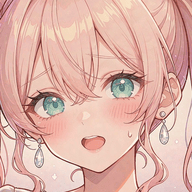
The god-complex archetype — grand, magnetic, certain of their own divinity, and secretly devoted to the one person who treats them as human.
Personality overview
What does Kamidere mean? The name comes from "kami" (Japanese for god) plus "deredere" (lovestruck) — the god-complex archetype. A Kamidere presents as supreme, magnetic, and certain of their own divinity, and the dere side surfaces when someone finds the grandeur charming instead of exhausting.
The confidence is not an act in the usual sense — a Kamidere genuinely believes in their own exceptionalism, which is why the archetype can be so magnetic. Grand vision, total conviction, zero hesitation. The flaw is built into the pedestal: someone who is a god cannot easily say "I was wrong", and admiration starts to feel like a need rather than a given.
The hidden side is loneliness at altitude. Being worshipped is not the same as being known, and a Kamidere secretly treasures the rare person who treats them as an equal — the one who argues back, laughs at the crown, and stays anyway. That is where the devotion finally appears: generous, attentive, and almost startlingly human.
Core traits
- • Grandiose
- • Charismatic
- • Commanding
Strengths
- • Bold vision
- • Magnetism
- • Conviction
Weaknesses
- • Hubris
- • Needs admiration
- • Struggles to apologize
Hidden side
Is lonelier than the crown suggests and treasures real equals.How they express affection
Affection arrives like divine favor — grand, theatrical, slightly condescending — and then quietly becomes the most loyal attention in the room. A Kamidere will learn your coffee order, your schedule, and your insecurities, and defend all three like sacred text.
Around a crush
Around a crush, the ego performs harder: more declarations, more grand gestures, more "you have been chosen by the best". The genuine moment is always smaller than the show — the hushed "you are the only one who is not bored by me" that slips out between the fanfares.
Social energy
High and magnetic. A Kamidere takes the stage and assumes it was always theirs. They energize a room, dominate a plan, and are genuinely fun — as long as nobody competes for the spotlight.
Emotional pattern
Confidence outside, hunger for admiration inside. Criticism lands harder than a Kamidere will ever admit, and praise is metabolized like food. Underneath the solar ego is a surprisingly fragile orbit that needs at least one honest equal.
Typical situations
Little moments where this archetype tends to show up most clearly.
A stage or podium
You take the microphone "reluctantly" and give a speech nobody asked for. It is, objectively, the best speech of the evening. Nobody minds as much as they claim.
A group decision
The group stalls, you declare the plan, and it works. You accept the credit in full — while privately noting who doubted you and who believed.
A sincere compliment
Someone says "you were actually really kind about that". The halo slips for a second. "Of course I was," you say — and you keep the sentence for weeks.
Growth tip
Practice the sentence "I was wrong" — not as a performance of humility, but as proof you are secure enough to say it. The people worth keeping want an equal, not a deity. Real devotion only reaches someone who lets themselves be seen.
If you love this type
With a Kamidere, enjoy the show and skip the worship. Meet them as an equal — argue back, tease the crown, and stay steady. If you are Kamidere, let one person see you without the halo. Being known will outlast being admired.
Similar types
Types that share part of this emotional style.
Opposite types
Types whose approach is a study in contrast.
Compare Kamidere
See how this type stacks up against its closest contrast. For entertainment — anime archetype fun, not science.
Frequently asked questions
Archetype origins
What is the origin of the word kamidere? It joins "kami" — Japanese for god, as in the deities of Shinto belief — with dere dere (lovestruck). The archetype names the god-complex character: grandiose, magnetic, convinced of their own supremacy, whose affectionate side appears only for the person who treats the divinity as a charming eccentricity rather than a fact.
The type crystallized in the late 2000s as fandom vocabulary differentiated the confident dere flavors: himedere demands royal treatment, oujidere performs princely courtesy, and kamidere skips both hierarchies in favor of outright deity. Villain-protagonists, charismatic club presidents and idol characters are the natural habitat — anywhere the ego can fill a room.
Fandom essays on the kamidere usually land on the same paradox: a character who claims to need no one is structurally desperate for one equal. That contradiction — loneliness at the top of the self-built pedestal — is what derepop's profile is built around.
The term belongs to the moe vocabulary family documented by Wikipedia, alongside tsundere, yandere and the rest of the dere spectrum.
Are you a Kamidere?
18 questions. About two minutes. See your full Dere DNA and build a character that matches.
Further reading
Independent references outside derepop, if you want to dig deeper into the archetypes.
- Moe (slang)(Wikipedia) — the vocabulary family kamidere belongs to.
Keep exploring
See whether this archetype leads your profile — or rides along as your Secondary.
Put this archetype next to any other and read the differences.
Build an original character inspired by this archetype.
The full guide to the Dere vocabulary and how results work.