Featured matchup
Himedere vs Oujidere
Two archetypes, two ways of caring. Explore how they differ and where they overlap — then build a character inspired by your own Dere DNA.
Compare a different pair
ヒメデレ
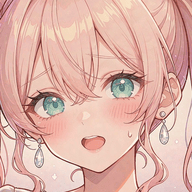
Himedere
The Little Sovereign
王子デレ
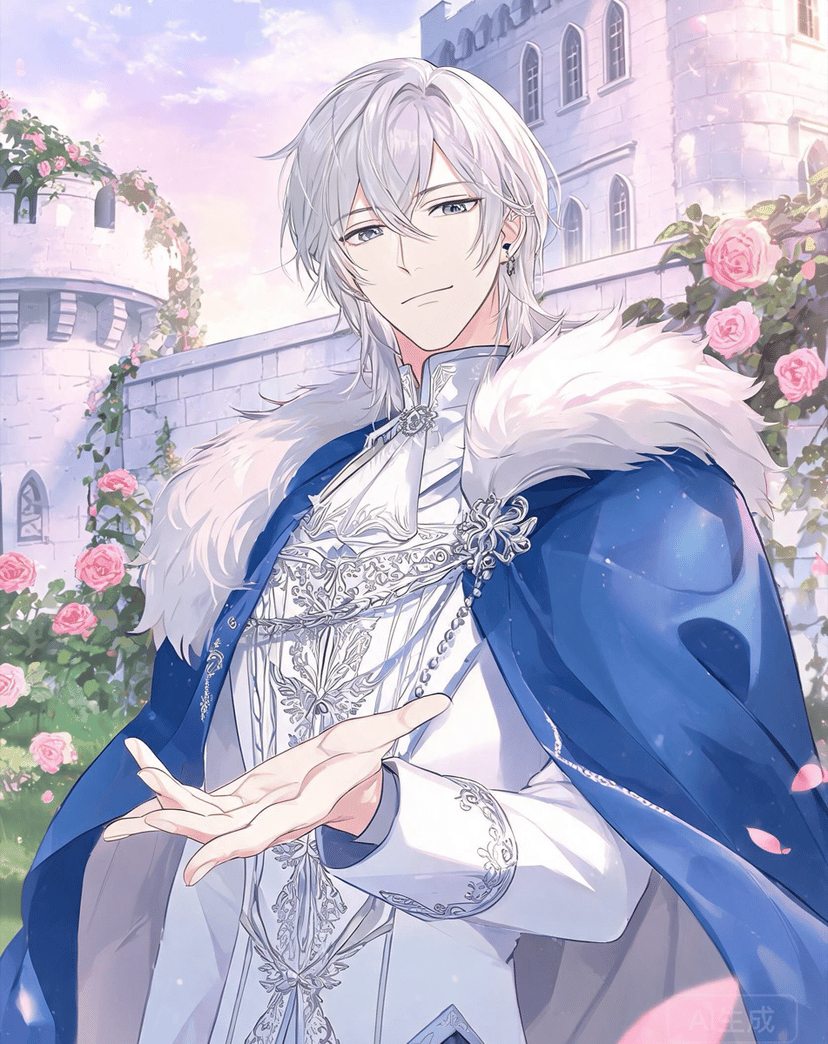
Oujidere
The Gentle Prince
VERSUS
Both carry themselves like nobility — but himedere expects to be served, while oujidere serves first and leads with courtesy.
For entertainment and anime-archetype fun — not a scientific compatibility test.
Key differences
- 1The direction of service: Himedere expects to be treated special. Oujidere opens the doors, remembers the details, and makes everyone else feel special.
- 2The vulnerability: Himedere hides the wish to be chosen behind pride. Oujidere hides the person behind the polish.
- 3The tell: A himedere is wounded when a detail about them is forgotten. An oujidere is thrown when someone takes care of them — they rarely let the mask slip on purpose.
Where they overlap
- Both are poised, image-conscious and genuinely charming.
- Both use formality as armor — manners are real, but they also keep people at a safe distance.
- Both relax dramatically with the one person who sees through the performance.
A typical interaction
At a formal dinner the oujidere pours the drinks and guides the conversation; the himedere critiques the seating chart. Halfway through, they catch each other doing exactly the same thing — performing perfectly while checking who noticed.
How they show affection
Himedere turns favor into a test of devotion. Oujidere demonstrates devotion so consistently the confession becomes almost unnecessary.
Social behavior
Himedere holds the center with polished confidence. Oujidere works the room effortlessly and leaves everyone feeling looked after.
Strengths, side by side
Himedere brings self-assurance and high standards; Oujidere brings attentiveness and grace under pressure. Being served versus being courted.
More type matchups
Which one are you?
18 questions. Two minutes. Discover your own mix, then make a character to match.
The showdown in depth
This is the royal pairing of the dere family — and the direction of service is the entire difference. Both archetypes carry themselves like nobility: poised, image-conscious, genuinely charming. But the himedere expects to be treated like royalty, while the oujidere performs royalty's duties — opening doors, remembering details, making everyone at the table feel looked after. One sits at the head of the table; the other pulls out the chairs.
The contrast is easy to miss because both are "demanding" in their own way — but the demands point in opposite directions. The himedere's demand is inward: treat me special, remember the details, choose me freely. The oujidere's demand is outward-facing perfection: let me be gracious, let me be admired for how well I treat people. It is the difference between wanting the throne and wanting to be worthy of one — and it produces two very different kinds of fatigue.
Their vulnerabilities mirror each other beautifully. The himedere hides a wish to be chosen behind pride; the oujidere hides a person behind polish. Ask each one the same question — "who are you when nobody is watching?" — and the himedere eventually admits the tenderness, while the oujidere laughs and changes the subject, because the persona is load-bearing in exactly the way pride is for the princess.
In fiction the pairing is a matched set: the princess and the prince are natural scene partners, whether as rivals, siblings or the eventual couple. The comedy writes itself — he plans the perfect evening around her stated wishes; she critiques the seating chart while quietly noticing that he remembered her tea order from three weeks ago. The best versions of the story end the same way: he stops performing, she stops testing, and both discover the unguarded versions were the interesting ones all along.
For quiz-takers split between the two, the tiebreaker is a single scenario: imagine someone taking care of you. The himedere's first reaction is satisfaction — finally, the treatment was owed. The oujidere's first reaction is discomfort — accepting help feels like a failure of the role. Neither reaction is wrong; they are just two different relationships to the same chair being pulled out.
The growth directions also mirror: the himedere learns to ask in a plain voice instead of setting tests, and the oujidere learns to be taken care of on purpose — to let the mask slip in front of witnesses and discover the crown does not fall off. Put the two lessons together and you get the real point of this matchup: royalty, in the dere universe, is not about being served or serving. It is about being seen without the title.
Explore more of the dere universe
See whether this archetype leads your profile — or rides along as your Secondary.
Put this archetype next to any other and read the differences.
Build an original character inspired by this archetype.
The full guide to the Dere vocabulary and how results work.
Further reading on these archetypes
Independent references outside derepop, if you want to dig deeper into the archetypes.
- Moe (slang)(Wikipedia) — the vocabulary family himedere belongs to.
- Himedere trope index(TV Tropes) — examples of the little-sovereign archetype.
- Moe (slang)(Wikipedia) — the vocabulary family oujidere belongs to.