
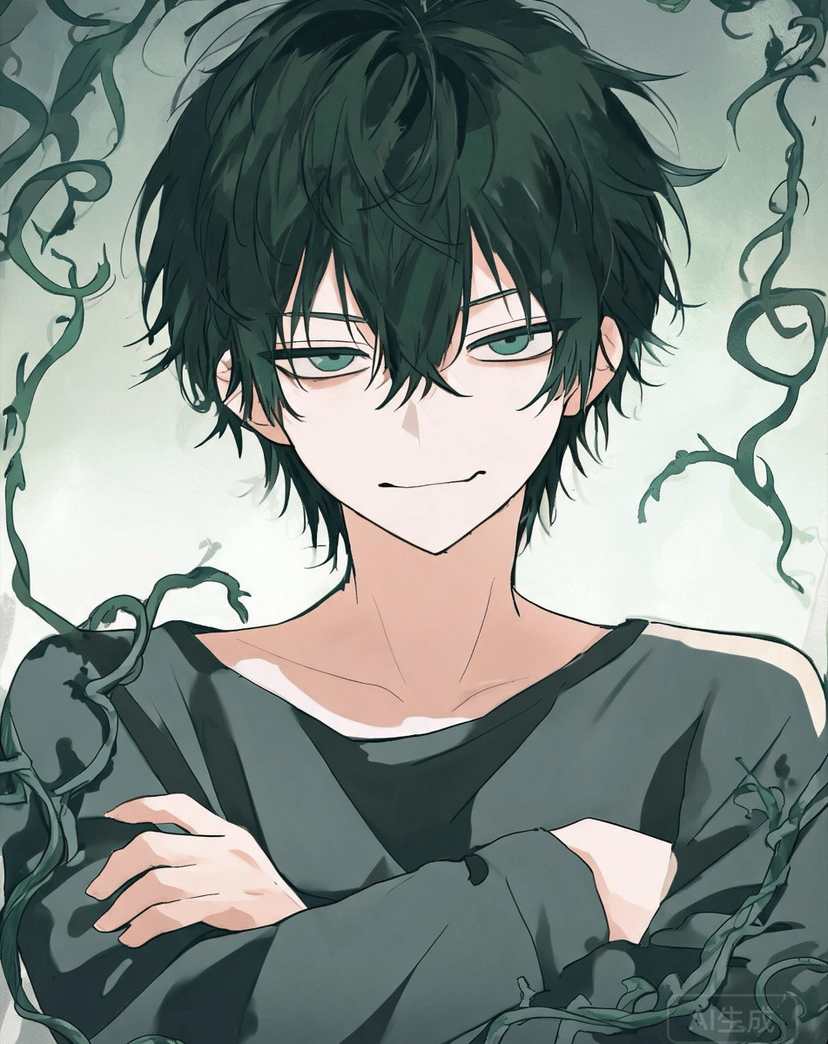
The Twisted Skeptic
Hinedere
ヒネデレ
Cynical mouth, soft core.
The cynical archetype — sarcasm as a filter, skepticism as armor, and a soft core that only sincerity ever reaches.
Personality overview
Hinedere — from "hineru" (twisted) — is the cynical archetype: sarcastic, skeptical, and convinced that most kindness has an invoice attached. The bite is a filtering system. Sincerity gets through it, and what gets through is treasured precisely because so little does.
A Hinedere sees through performance instantly, which makes them exhausting company for fakes and invaluable company for honest people. Their cynicism is not nihilism — it is disappointment that still cares enough to keep testing. The twisted exterior protects a hope that has been let down before and refuses to be let down quietly again.
The trap for this type is pre-emptive bitterness: rejecting people first so rejection cannot arrive first. The breakthrough comes from the rare person whose patience survives the testing phase — and from the Hinedere's own discovery that not every kindness needs decoding.
Core traits
- • Cynical
- • Sharp-witted
- • Guarded
Strengths
- • Honesty
- • Thick skin
- • Sees through fakes
Weaknesses
- • Pushes people away first
- • Assumes bad intent
- • Bitter humor
Hidden side
Is moved deeply by unconditional patience.How they express affection
Affection arrives in rare, deliberate grants of trust: the honest opinion volunteered, the defense of you in a room full of critics, the dark humor shared only with you. A Hinedere saying "you are not as annoying as most people" is roughly equivalent to a love letter.
Around a crush
Around a crush, the mockery increases and the meaning inverts. They heckle their favorite person, then defend them instantly if anyone else tries the same joke. The real confession will probably arrive wrapped in irony — listen for the moment the sarcasm stops.
Social energy
Low and deliberate. A Hinedere skips the small talk and the networking, appearing only where the conversation is honest. Fewer friends, realer ones — that is the trade they have made consciously.
Emotional pattern
Feelings are processed through irony before they are admitted. Disappointment hits early and often — the world rarely meets their standards — but genuine warmth, once it breaks through, lasts far longer than the cynicism suggests.
Typical situations
Little moments where this archetype tends to show up most clearly.
A backhanded compliment
"You are the only one here with taste" — delivered flatly, meant completely. You move on before anyone can see that it mattered to you to say.
A group project
You predict exactly how it will go wrong, in detail, out loud. It goes wrong. You fix it in silence and accept the thanks with a shrug that hides the satisfaction.
A late-night confession
Someone tells you something real at 1 a.m. The sarcasm stops. You answer honestly, once, and neither of you ever mentions the tone of voice you used.
Growth tip
Let one kindness land without commentary. Not every gesture needs to be decoded, scored, or proven false. Cynicism kept you safe once; check occasionally whether it is still doing its job or just keeping you lonely.
If you love this type
With a Hinedere, consistency beats charm. Do not rise to the sarcasm and do not perform — just be reliable, and notice the moments they choose you. If you are Hinedere, say the appreciation out loud once in a while. The people who earned it would love to hear it.
Similar types
Types that share part of this emotional style.
Opposite types
Types whose approach is a study in contrast.
Compare Hinedere
See how this type stacks up against its closest contrast. For entertainment — anime archetype fun, not science.
Frequently asked questions
Archetype origins
Hinedere derives from "hineru" (to twist) — the twisted, cynical archetype whose sarcasm functions as a sincerity filter. The type describes characters who assume the worst of kindness, test everyone who approaches, and are undone, predictably and satisfyingly, by the one person whose patience never runs out.
The archetype is closely related to tsundere — both guard warmth behind an off-putting exterior — but the flavor is opposite. A tsundere denies the feeling; a hinedere denies the hope. In fiction the hinedere tends to be the older, more jaded character: the senpai who mocks the club, the rival who sneers at ideals, and whose conversion in the final act lands like a verdict on sincerity itself.
The term is part of the extended moe vocabulary documented by Wikipedia, alongside the better-known dere archetypes.
Are you a Hinedere?
18 questions. About two minutes. See your full Dere DNA and build a character that matches.
Further reading
Independent references outside derepop, if you want to dig deeper into the archetypes.
- Moe (slang)(Wikipedia) — the vocabulary family hinedere belongs to.
Keep exploring
See whether this archetype leads your profile — or rides along as your Secondary.
Put this archetype next to any other and read the differences.
Build an original character inspired by this archetype.
The full guide to the Dere vocabulary and how results work.